


Mastering Betting Draws: Strategies and Tips
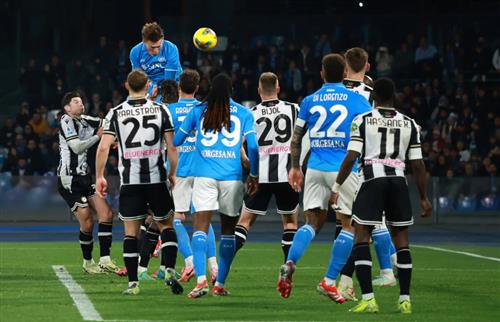
Betting on draws can be an exhilarating yet often overlooked aspect of sports wagering. While many punters focus on outright winners, draws offer unique opportunities for savvy bettors to capitalize on balanced matchups. In this comprehensive guide, we’ll explore the intricacies of betting draws, providing you with strategies, insights, and practical advice to enhance your betting approach. Whether you’re a novice or seasoned bettor, understanding how to identify and wager on draws can significantly improve your overall success rate.
Understanding Betting Draws
Betting draws refer to placing wagers on the outcome where neither team wins, resulting in a tie. This is particularly common in sports like soccer, where draws occur frequently—accounting for about 25-30% of matches in major leagues. Unlike betting on favorites or underdogs, draw bets often come with higher odds due to their perceived unpredictability, making them attractive for those seeking value.
Why Draws Happen
Draws often stem from evenly matched teams, defensive strategies, or external factors like weather and player fatigue. For instance, in soccer, mid-table teams playing conservatively might end in stalemates. Historical data shows that leagues like Serie A in Italy have higher draw rates compared to more aggressive ones like the Premier League.
To get started, analyze team statistics such as recent form, head-to-head records, and home/away performances. Tools like statistical databases can help identify patterns, but remember, no prediction is foolproof.
Effective Strategies for Betting Draws
Success in betting draws requires a blend of research, discipline, and risk management. One popular strategy is the ‘draw no bet’ option, which refunds your stake if the match ends in a draw, reducing risk while still allowing bets on a team to win.
Key Betting Systems
- Fibonacci System: Increase stakes progressively after losses, focusing on draw bets with odds around 3.0-4.0.
- Value Betting: Look for discrepancies between implied probabilities and actual odds. If a draw’s true chance is 30% but odds suggest 25%, that’s value.
- In-Play Betting: Monitor live games and bet on draws when scores are level late in the match.
Practical tip: Set a bankroll limit, say 1-2% per bet, to avoid significant losses. Combine this with tracking tools to log your bets and refine strategies over time.
Pros and Cons of Betting Draws
While betting draws can be profitable, it’s essential to weigh the benefits against potential drawbacks. Draws offer higher payouts due to longer odds, but they require patience and thorough analysis.
Benefits and Considerations
Benefits: Higher odds mean better returns on successful bets. Draws are less affected by public bias, providing value opportunities. They diversify your betting portfolio beyond win/loss outcomes.
Considerations: Draws are harder to predict, leading to longer losing streaks. Emotional betting can exacerbate losses, so maintain objectivity.
Expert insight: As a seasoned bettor, I’ve seen that focusing on low-scoring leagues yields better results. For example, analyzing defensive metrics like goals conceded can pinpoint draw-prone games.
| Sport | Average Draw Rate | Typical Odds | Pros | Cons |
|---|---|---|---|---|
| Soccer | 25-30% | 3.0-4.0 | High frequency, value bets | Unpredictable in high-stakes games |
| Hockey | 15-20% | 4.0-5.0 | Overtime rules add excitement | Lower occurrence |
| Basketball | 5-10% | 10.0+ | Rare but high payout | Very infrequent |
This comparison table highlights how draw betting varies across sports, helping you choose where to focus your efforts.
Expert Tips and Actionable Advice
To maximize your success with betting draws, incorporate these expert recommendations into your routine. First, diversify across multiple leagues to spread risk—don’t put all your eggs in one basket.
Advanced Techniques
Use machine learning models or algorithms to predict draws based on vast datasets. For manual analysis, focus on metrics like expected goals (xG) in soccer, which indicate scoring chances and potential for ties.
Actionable advice: Start with small stakes on under-the-radar matches, such as lower-division games where draws are more common. Track weather forecasts, as rain can lead to cautious play and more draws. Additionally, consider hedging bets by combining draws with other outcomes in accumulators for balanced risk.
From my decade of experience, the key to profitability is consistency. Review your bets weekly, adjusting based on what works. Remember, betting should be enjoyable and responsible—set limits and know when to step back.
Summary: In conclusion, mastering betting draws involves understanding their occurrence, employing strategic systems like value betting, and weighing pros against cons through tools like comparison tables. By following expert tips such as analyzing statistics and managing bankrolls, you can turn draws into a profitable betting niche. Always bet responsibly to ensure long-term enjoyment and success.
Where to Buy? Who is Playing?

